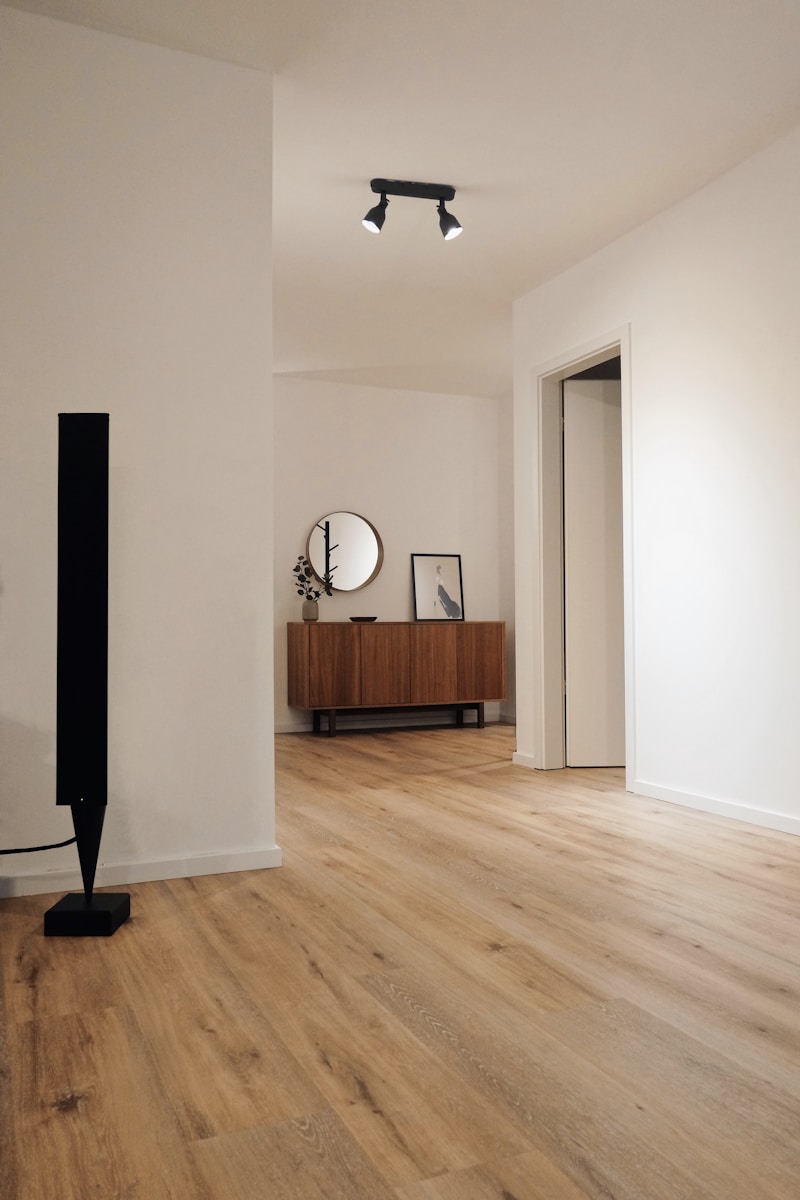
Ask any professional painter what separates a great paint job from a mediocre one, and they'll give you the same answer: surface preparation. It's not the most glamorous part of painting, but it's undoubtedly the most important. No amount of expensive paint or fancy techniques can compensate for poor preparation. Understanding and executing proper surface prep is what separates DIYers who get professional results from those whose paint jobs peel, crack, and fail prematurely.
Why Preparation Matters More Than Paint
Paint is a surface treatment, not a miracle worker. It adheres to whatever is beneath it, whether that's a properly prepared wall or a dusty, greasy surface. When paint fails, it's almost always because of inadequate preparation. Peeling paint typically means the paint lost its bond with the surface—usually due to moisture, contamination, or insufficient adhesion. Cracking and checking usually indicate the paint film couldn't expand and contract with temperature changes, often because it was applied too thickly or over an incompatible previous coating.
The investment in proper preparation pays dividends for years. A well-prepared surface with quality paint can last 10-15 years or more, while a poorly prepared surface might start failing within months. The few days you spend on preparation save years of dealing with premature failures and the cost of repainting.
Assessing Your Surface
Before you can prepare a surface, you need to understand what you're working with. Different surfaces require different approaches, and what works on one material may damage another. Take time to identify your substrate and any existing coatings before beginning.
Press firmly on the surface with your thumb—if paint flakes off easily, you have adhesion problems that need addressing. Check for moisture staining, mildew, grease spots, and other contamination that will interfere with adhesion. Look for cracks, holes, and other damage that needs repair. A thorough assessment prevents surprises once you've started painting.
Identifying Surface Types
New drywall has a paper face that requires proper priming to accept paint evenly. Bare wood needs sanding and potentially a wood-specific primer. Previously painted surfaces might need deglossing if the existing paint is glossy. Plaster requires careful moisture assessment and often special primer. Each surface type has specific requirements—understanding yours guides your preparation approach.
Cleaning: The First Step
All surfaces must be clean before painting. Dust, grease, cobwebs, and general grime accumulate on walls over time and create a barrier between paint and the surface. For most interior walls, a solution of mild detergent in warm water, applied with a sponge and followed by clean water rinse, provides adequate cleaning.
Kitchens and bathrooms often have grease deposits from cooking and personal care products. These require stronger cleaning—TSP (trisodium phosphate) is the traditional choice for cutting through greasy residue. However, TSP can be harsh on surfaces and requires careful rinsing. Newer TSP substitutes offer similar cleaning power with less environmental impact. Whatever cleaner you use, ensure the surface is completely dry before proceeding.
Dealing with Mildew
Mildew isn't just unsightly—it actively degrades paint film and will quickly return if not properly treated. Unlike regular dirt, mildew won't come off with simple cleaning. You'll need a solution of one part bleach to three parts water, applied with a sponge or sprayer. Allow it to sit for several minutes, then scrub and rinse thoroughly. The bleach kills the mildew and its spores, while cleaning removes the residue. Prime treated areas with a stain-blocking primer to prevent bleed-through in your new paint.
Repairing Damage
Holes, cracks, and dents in walls telegraph through even the best paint job if left unrepaired. The size of the damage determines the appropriate repair material and technique. Understanding which product to use prevents repairs that crack again or fail to accept paint properly.
Small nail holes and minor cracks respond well to spackle—a lightweight patching compound that sands smooth and accepts paint well. Apply it with a putty knife, overfill slightly, and sand flush once dry. Larger holes in drywall require patching with either a store-bought patch kit or a piece of drywall cut to fit. These repairs need to be finished with joint compound in multiple thin layers, with sanding between each coat.
Matching Repair Materials
Using the wrong repair material creates problems. Spackle dries too quickly for large repairs and cracks along joints. Joint compound doesn't sand as smoothly for small repairs and may shrink excessively. For textured walls, you may need to apply texture compound over repairs to match the existing pattern. Take time to research the best products for your specific repair needs.
Sanding: Creating the Right Profile
Sanding serves two purposes: smoothing rough areas and creating a slight texture for paint to grip. The key is finding the right grit—too coarse leaves scratches visible through paint, too fine doesn't create adequate adhesion surface.
For walls, 120-150 grit sandpaper removes minor imperfections without creating noticeable scratches. Use a sanding pole for walls to avoid climbing a ladder. Always sand with the grain on wood surfaces. For glossy surfaces being repainted, scuff sanding with 180-220 grit removes the shine without creating deep scratches. Wipe surfaces with a tack cloth after sanding to remove dust before painting.
Priming: The Essential Foundation
Primer isn't optional on most surfaces—it's essential. Primer creates a consistent surface for paint to adhere to, blocks stains from bleeding through, and can improve paint coverage. Skipping primer is one of the most common painting mistakes and often leads to premature failure.
New drywall always needs primer because the paper face and joint compound absorb paint differently, leading to uneven coverage and a phenomenon called "flashing" where patched areas show through. Bare wood needs primer to seal the surface and provide adhesion. Previously painted walls benefit from primer when making dramatic color changes or if the old paint is chalking or glossy.